



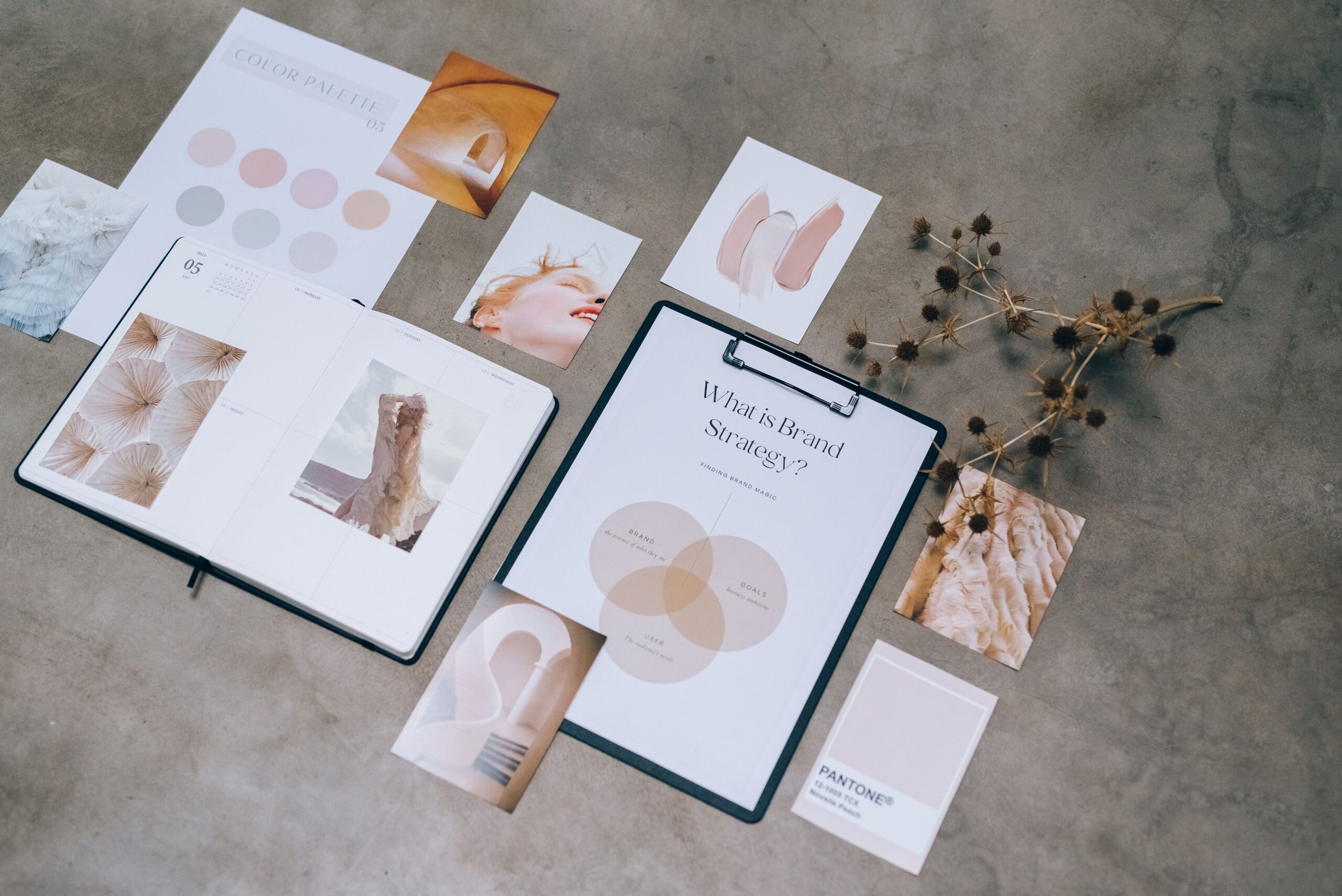
Why Your Brand Voice Is Essential In An AI-Driven World
Why Brand Voice Matters More Now That Everyone Uses AI
Here’s a number that should stop you. 92% of marketers now use AI daily, yet 40% of consumers say brands “don’t get them,” up from 25% the year before. The tools are everywhere. The connection isn’t.
When everyone runs the same tools with the same generic prompts, everyone sounds alike. Your brand voice is how you stay recognizable. It also pays. In an Emplifi survey, 93% of consumers said authentic engagement builds trust, and 85% would pay more for brands they see as authentic. Consistency helps too. Marq research links it to a 10–20% average revenue increase. The catch? Those figures come from marketer surveys, not audited financials, so treat them as directional.
The takeaway: use AI for speed, and let your voice set the direction.
Define Your Voice Before You Prompt
AI is a great mimic, but it can’t copy a voice you haven’t described. Optimizely says it plainly: “AI isn’t a mind reader (yet).”
Start simple. The U.S. Chamber of Commerce suggests a three-column chart: we are, we are not, and example phrases. A financial planner might write “clear, calm, supportive” and “not salesy.”
Then get specific. “Friendly” means different things to different people, and to a machine. Glean recommends replacing vague adjectives with behavioral constraints an algorithm can act on. Try rules like “use contractions,” “keep sentences short,” and “always say you.”
Here’s what most people miss: longer isn’t better. Atom Writer warns that a 40-page brand book produces “diluted adherence to everything.” Aim for two or three pages. Then re-test every 60 to 90 days, since both voices and models drift.
The takeaway: a short, specific guide beats a thick, vague one.
Pick Tools That Fit Your Voice and Workflow
The market is crowded, and every tool promises to transform your marketing. Choose the one or two jobs you want AI to handle, then test tools against your voice guide.
Specialized tools can help. Jasper’s Brand Voice feature learns your tone and terminology from uploaded examples. But the same review notes the output “still reads as AI-generated without significant editing” and costs $49/month at minimum. Meanwhile, brand voice features are now available directly in Claude and ChatGPT. On a tight budget, a general assistant loaded with your guide may be enough.
Also check data handling. The National Cybersecurity Alliance advises considering business or enterprise versions of AI tools for stronger protection. It also found that nearly 88% of small business owners use AI, but 54% do so without formal guidelines. Write a one-page policy covering what can be shared, what gets human review, and who approves publishing.
The takeaway: start with one tool for one job, run it for a month, and keep your voice guide in your own files so you can switch later.
Create Once, Publish Everywhere (the Smart Way)
Ever updated your hours on your website, then found the old ones on Facebook and Google? COPE fixes that. It stands for Create Once, Publish Everywhere, and NPR built its CMS to “publish to anything, including NPR.org.” Lullabot’s small-business version is simple: keep your address and hours in one block, edit it once, and every page updates.
But COPE isn’t copy-paste. One Branding Mag piece suggests Create Once, Repurpose Everywhere. The rule of thumb: “Keep the idea, change the packaging.” One webinar can become a LinkedIn post, an email, and a short video script.
AI makes this realistic for small teams. In an Adobe survey, 70% of small business owners were repurposing content. Still, keep a human in the loop. Business Insider notes risks like inaccuracies and plagiarism, and only 13% of marketers in the survey it cites thought AI content was already indistinguishable from human work.
The takeaway: one idea, one source of truth, many tailored versions, one final human review.
Your Next Move
Everything here connects. Your voice guide feeds your tools, and your tools power your COPE workflow. This week, write your “we are / we are not” chart, turn two adjectives into rules, and test one tool on one real task. Then edit the result until it sounds like you.
Ready to put this into action?
At Alchemi Media, we help businesses cut through the noise and build strategies that actually work. Let’s talk about what’s possible for you.
Sources
- Adobe – Content Repurposing
- Admind Agency – When AI Loses Trust: How Brands Can Lead with Authenticity
- Atom Writer – Brand Voice Guidelines for AI
- Branding Mag – The Right Way to Create Once, Publish Everywhere
- Business Insider – ChatGPT and Generative AI in Content Marketing: How to Prepare
- BuildMVPFast – Best Generative AI Tools for Content Marketing 2026
- Dasho Content – Brand Consistency Statistics
- Glean – How to Create a Brand Voice Guide for AI Tools
- Lullabot – Understanding Create Once, Publish Everywhere (COPE)
- Marq – Brand Consistency as a Competitive Advantage
- National Cybersecurity Alliance – AI Best Practices for Small Businesses: How to Use Artificial Intelligence Responsibly
- NPR – Clean Content, Portable Content
- Optimizely – Using AI for Brand Voice
- PostQuick – Content Repurpose Workflow for Social Media: Create Once, Post Everywhere
- U.S. Chamber of Commerce – Crafting Brand Voice
- Yahoo Finance – Authenticity Builds Trust: How Brands Can Maintain It
- Zapier – Jasper vs. Copy.ai


Leave a comment: